
Many English learners get confused between blankie and blanky. Both words look similar, but only one spelling is more common in standard English. If you have ever wondered which version is correct, this guide will help you understand the difference in a simple way.
The word is mostly used for a child’s favorite blanket or comfort blanket. Parents, caregivers, and even adults sometimes use this cute informal term in daily conversation.
According to language usage, dictionary references, and parenting websites, blankie is the preferred spelling in modern English.
Blankie or Blanky The Straight Answer
The simple answer is:
- Blankie = Correct and commonly used spelling
- Blanky = Rare informal variation
Most English dictionaries recognize blankie as the standard version.
| Word | Usage | Correctness |
| Blankie | Very common | Standard spelling |
| Blanky | Less common | Informal variation |
If you are writing blogs, articles, parenting content, or educational material, it is safer to use blankie.
What Does Blankie Mean?
A blankie is a small blanket that gives comfort and emotional security, especially to young children. Cambridge Dictionary defines it as a blanket used by a child to feel safe and happy.
Common examples include:
- A toddler sleeping with a soft blanket
- A child carrying a favorite blanket everywhere
- A comfort blanket during travel or bedtime
Example sentence:
“My daughter never sleeps without her blankie.”
What About Blanky Meaning?
The word blanky usually means the same thing as blankie. However, it is far less popular in English writing and online searches.
Some people spell it with a “y” because it sounds natural when spoken aloud. Still, most dictionaries and language experts prefer blankie.
Why Blankie Looks More Natural in English
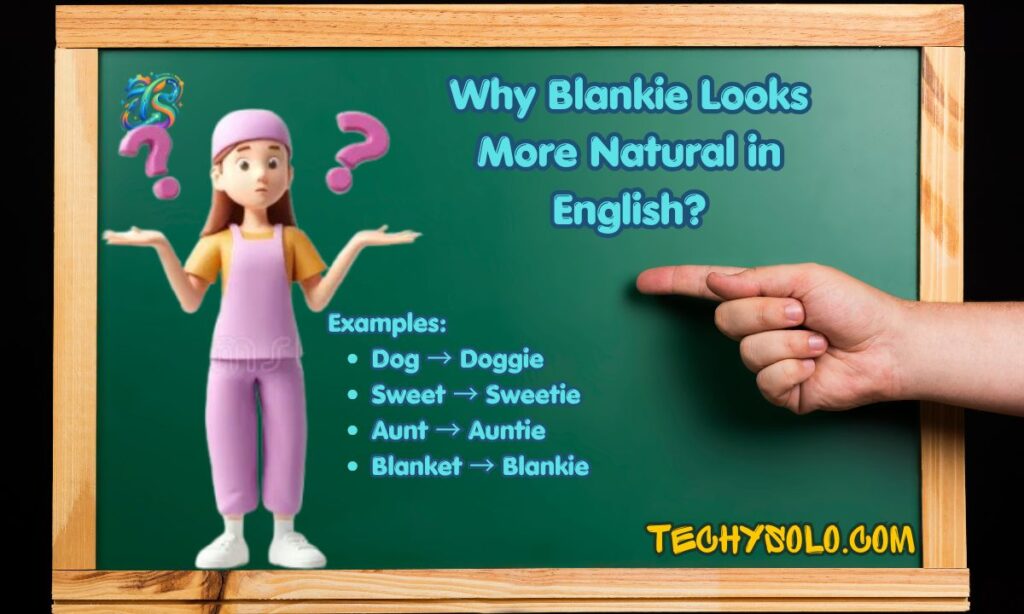
English often uses the suffix “-ie” to create cute or affectionate words.
Examples:
- Dog → Doggie
- Sweet → Sweetie
- Aunt → Auntie
- Blanket → Blankie
This pattern makes blankie sound softer and more natural in everyday speech.
That is one major reason native speakers prefer it.
Is This an American vs British Spelling Issue?
Not exactly, but usage can vary slightly.
| Region | Preferred Spelling |
| American English | Blankie |
| British English | Blankie or Blanky |
| Global English | Blankie |
Research shows that blankie dominates in American English and online content. Some British users may occasionally write blanky, but it is still less common.
Informal vs Formal Usage
Both words are informal English terms.
You will mostly see them in:
- Parenting blogs
- Casual conversations
- Social media posts
- Children’s stories
In formal writing, people usually say:
- Comfort blanket
- Security blanket
- Child comfort object
Example:
| Informal | Formal |
| The child hugged her blankie. | The child held a security blanket. |
Why Some People Prefer Blanky
Some users choose blanky because:
- It looks shorter
- It sounds simpler
- They grew up seeing that spelling
- Regional habits influence spelling choices
However, online search trends and dictionary references still show blankie as the stronger keyword.
The Emotional Side Transitional Objects in Language
Psychologists often call a blankie a transitional object or security blanket.
These objects help children:
- Feel emotionally secure
- Sleep comfortably
- Handle stress or separation anxiety
- Adjust to new environments
This is why the word carries emotional meaning beyond just a blanket.
Many children become deeply attached to their blankie during early childhood.
Common Spelling Mistakes People Make
Many users accidentally misspell the word.
Common mistakes include:
- Blankee
- Blankey
- Blanky
- Blanki
The safest and most recognized spelling is still blankie.
Blankie Spelling Guide for Everyday Writing
Use this quick guide:
| Situation | Best Word |
| Parenting article | Blankie |
| Casual conversation | Blankie |
| Childcare content | Blankie |
| Academic writing | Security blanket |
| Formal report | Comfort blanket |
This helps your writing look professional and SEO-friendly.
Does Blankie vs Blanky Change Meaning?
No, the meaning stays almost the same.
Both words describe:
- A child’s favorite blanket
- A comfort object
- A security blanket
The main difference is spelling preference and usage frequency.
Which Spelling Do Native Speakers Prefer?
Most native English speakers prefer blankie.
Reasons include:
- More common in dictionaries
- Popular in parenting websites
- Easier recognition online
- Fits common English diminutive patterns
Search results and dictionary data strongly support “blankie” as the dominant spelling.
Informal Terms in English and Diminutive Forms
English often creates affectionate words using small endings.
Examples:
| Original Word | Informal Form |
| Dog | Doggie |
| Cat | Kitty |
| Sweet | Sweetie |
| Blanket | Blankie |
These forms make words feel warmer and friendlier.
That is why blankie sounds more natural than blanky.
Should You Avoid Both in Formal Writing?
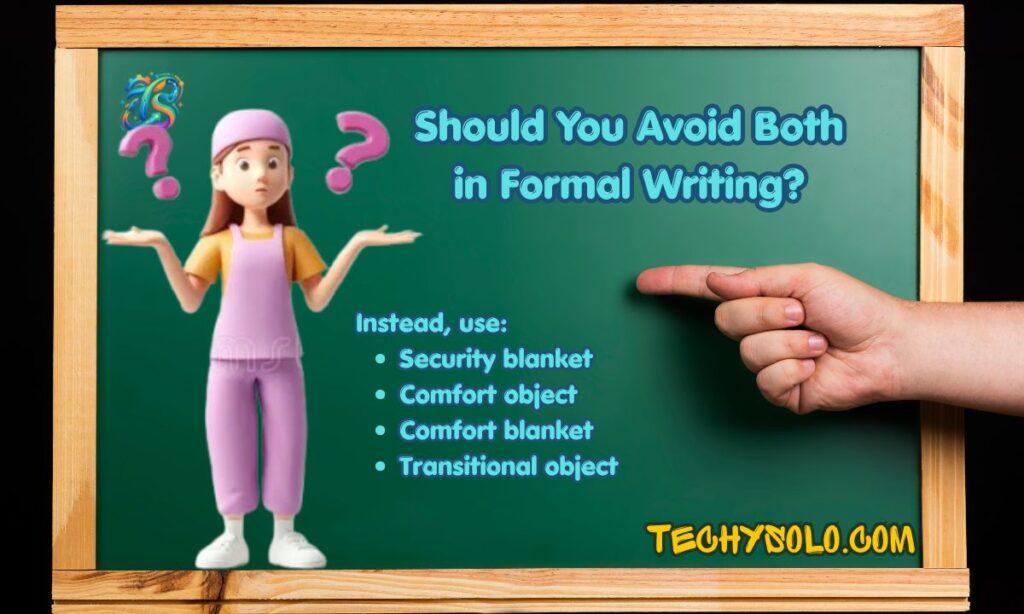
Yes, in professional or academic writing, it is better to avoid both spellings.
Instead, use:
- Security blanket
- Comfort object
- Comfort blanket
- Transitional object
Formal writing usually avoids cute or childish language.
A Practical Example
Here is how native speakers naturally use the word:
Casual Usage
“My son carries his blankie everywhere.”
Formal Usage
“The child uses a comfort blanket for emotional security.”
Both sentences are correct, but the tone changes.
Quick Memory Trick
Here is a simple trick to remember the correct spelling:
Think of “sweetie” and “doggie.”
Cute English words often end in “-ie.”
So the correct spelling is usually blankie.
This memory trick helps many learners avoid spelling mistakes.
Reference Cambridge Dictionary Definitions
Cambridge Dictionary defines blankie as an informal word mainly used in American English for a small blanket that helps a child feel safe and happy.
The dictionary also lists “blankey” as a variation, but “blankie” remains the main entry.
Conclusion
When comparing blankie vs blanky, the better and more accepted spelling is clearly blankie. It appears more often in dictionaries, parenting websites, blogs, and everyday English conversations.
While blanky is sometimes used informally, it is far less common. If you want your writing to look natural, modern, and SEO-friendly, choose blankie.
The word itself represents comfort, safety, and emotional attachment, especially for children. That emotional connection is one reason the term remains popular in English today.
Frequently Asked Questions
Is blankie a real word?
Yes, blankie is a real informal English word recognized by major dictionaries.
Is blanky incorrect?
Blanky is not completely wrong, but it is much less common than blankie.
What does blankie mean?
Blankie means a child’s comfort blanket or favorite blanket.
Which spelling is more popular?
Blankie is far more popular in dictionaries, blogs, and online searches.
Is blankie formal English?
No, blankie is an informal word mostly used in casual conversation.

Akash is a grammar expert at TechySolo, sharing simple, clear, and practical English tips to help learners improve writing and communication skills easily.