

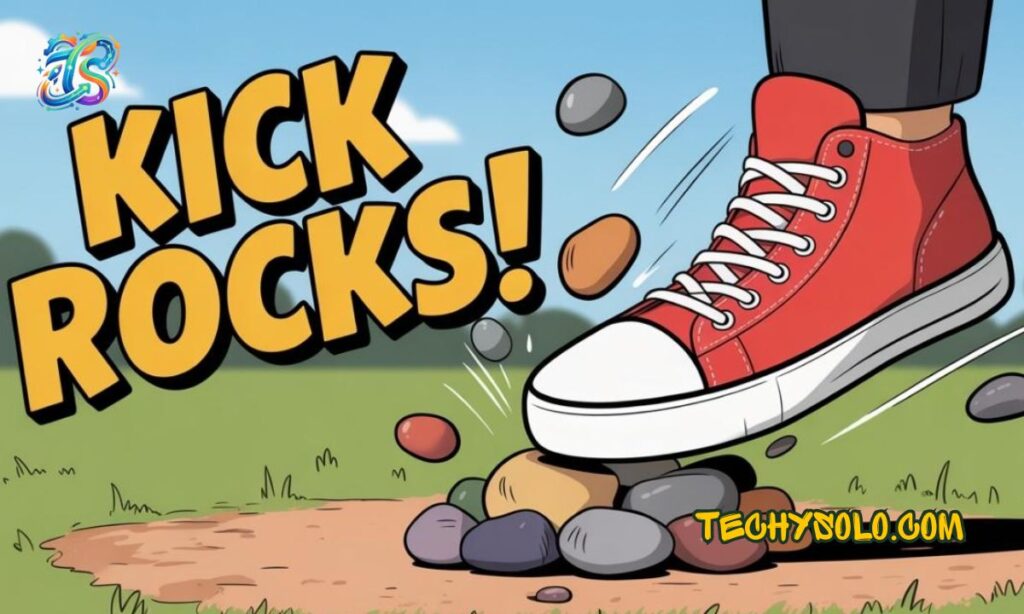
Slang phrases often become popular because they express emotions quickly and clearly. One phrase that continues to appear in conversations, memes, social media posts, and online arguments is “kick rocks.” While it sounds harmless at first, the expression carries a strong dismissive tone.
People use “kick rocks” when they want someone to leave, stop bothering them, or go away. Over time, the phrase has evolved from street slang into a common internet expression used across different age groups and cultures.
In this detailed guide, you’ll learn the meaning of “kick rocks,” where it came from, when to use it, better alternatives, social nuances, and why the phrase remains popular today.
Why “Kick Rocks” Still Shows Up in Everyday Language?
Even though slang changes constantly, some phrases survive for decades because they remain emotionally effective. “Kick rocks” is short, memorable, and instantly communicates rejection or annoyance.
The phrase appears in:
- Social media arguments
- TikTok comments
- Hip-hop lyrics
- Gaming chats
- Casual conversations
- Meme culture
Its popularity continues because it sounds less aggressive than profanity while still delivering a clear message.
Kick Rocks Meaning: What the Expression Actually Says
The phrase “kick rocks” means:
- Go away
- Leave me alone
- Stop bothering me
- Get lost
- Move on
It is often used when someone is annoyed, frustrated, or dismissive toward another person.
Primary Interpretations
| Meaning | Explanation |
| Go away | Telling someone to leave |
| Dismissal | Rejecting someone’s opinion or presence |
| Frustration | Showing irritation |
| Boundary setting | Creating emotional distance |
Tone Matters
The tone behind “kick rocks” changes depending on context.
- Friendly teasing → playful
- Heated argument → harsh
- Online debate → sarcastic
- Casual conversation → mildly dismissive
Because tone matters, the same phrase can feel humorous or rude depending on delivery.
Kick Rocks Origin: Where the Phrase Comes From

The exact origin of “kick rocks” is difficult to trace, but language experts connect it to American street slang and older expressions about wandering away on foot.
Early American Street Slang
Historically, telling someone to “kick rocks” implied they should walk away aimlessly down a rough road. The phrase symbolized dismissal without directly insulting someone.
It became popular in urban communities because it sounded cleaner than harsher alternatives.
Military Usage
Some language historians believe variations of the phrase were used informally in military culture to dismiss complaints or send someone away.
Short commands often become slang because they are easy to repeat and remember.
Urban and Hip Hop Influence
Hip-hop culture helped popularize “kick rocks” during the 1990s and early 2000s. Rappers and urban media used it in lyrics, interviews, and street conversations.
The phrase fit naturally into competitive and expressive language styles.
Youth Culture
Today, younger audiences continue using the phrase online because:
- It sounds bold
- It works well in memes
- It avoids direct profanity
- It feels culturally familiar
TikTok, Instagram, and gaming communities helped revive the expression.
When to Use the Phrase “Kick Rocks”?
Like many slang expressions, “kick rocks” works best in informal settings.
Good Times to Use It
You can use the phrase when:
- Joking with close friends
- Responding to trolling online
- Rejecting negativity
- Setting boundaries casually
- Playful teasing
Times to Avoid It
Avoid using “kick rocks” in:
- Professional emails
- Workplace conversations
- Academic writing
- Serious conflicts
- Formal discussions
Using dismissive slang in professional settings can appear disrespectful.
Cultural and Social Nuances Behind “Kick Rocks”
The phrase carries different meanings depending on age, region, and communication style.
Age Groups
| Age Group | Typical Usage |
| Gen Z | Meme slang and sarcasm |
| Millennials | Casual dismissal |
| Older adults | Less common |
| Teen gamers | Frequent usage |
Regions
The phrase is most common in:
- United States
- Urban communities
- Online gaming culture
- Social media spaces
Different regions may prefer alternatives like “get lost” or “move along.”
Communication Styles
Some people use “kick rocks” humorously while others use it aggressively.
Understanding the relationship between speakers is important before using the phrase.
The Psychological Impact of Dismissive Phrases
Dismissive slang affects communication more than people realize.
Why People Use Dismissive Slang?
People often use phrases like “kick rocks” because they want to:
- End conversations quickly
- Show frustration
- Protect emotional boundaries
- Express dominance
- Avoid deeper arguments
Emotional Effects
Depending on tone, dismissive phrases can make others feel:
- Rejected
- Embarrassed
- Angry
- Unimportant
This is why context and relationship matter.
Twenty Five Alternatives to “Kick Rocks” (Organized by Tone)
Direct and Firm Alternatives
- Go away
- Leave me alone
- Move along
- Back off
- Get lost
Casual and Playful Alternatives
- Keep it moving
- Take a walk
- Catch you later
- Bounce
- Move around
Sarcastic or Humorous Alternatives
- Touch grass
- Go chase pigeons
- Take a lap
- Go outside
- Find a hobby
Polite (but firm) Alternatives
- I need some space
- Let’s end this conversation
- Please leave me alone
- I disagree respectfully
- We should move on
More Strong Alternatives
- Beat it
- Get outta here
- Scram
- Take a hike
- Don’t bother me anymore
These alternatives help you match the right tone for the situation.
How to Choose the Right Alternative?
Not every situation requires harsh slang.
Consider the Relationship
Ask yourself:
- Is this a close friend?
- A stranger online?
- A coworker?
- A family member?
Tone should match the relationship.
Consider the Situation
If emotions are already high, dismissive phrases can escalate conflict.
Sometimes calmer language works better.
Consider the Setting
Internet slang may sound funny online but inappropriate in real-life professional conversations.
Modern Variations and Online Versions of “Kick Rocks”
Internet culture constantly creates updated versions of older slang.
Popular modern alternatives include:
- Touch grass
- Stay mad
- Cope harder
- Cry about it
- Log off
These phrases serve similar dismissive purposes online.
Case Studies: Real Uses of “Kick Rocks”
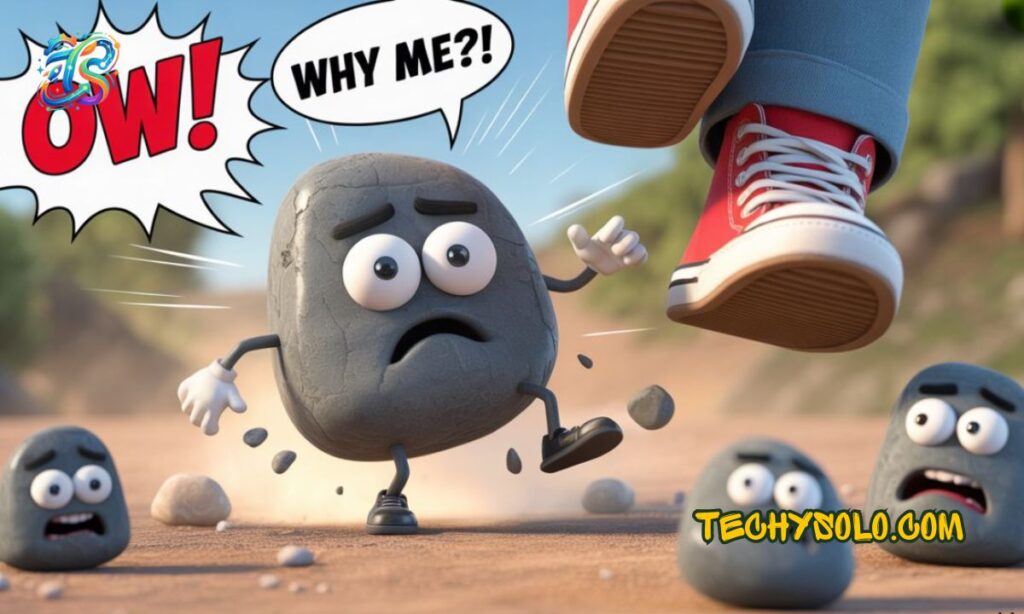
Case Study 1: Friendly Teasing
Friend 1:
“You still can’t beat my score.”
Friend 2:
“Man, kick rocks 😂”
Here the phrase feels playful and friendly.
Case Study 2: Boundary Setting
Person:
“Stop messaging me every day.”
Response:
“Then kick rocks.”
This version feels stronger and more dismissive.
Case Study 3: Rejecting Unwanted Attention
Comment:
“You should reply faster.”
Response:
“Kick rocks.”
The phrase acts as a rejection and emotional boundary.
Table: Comparing “Kick Rocks” to Similar Expressions
| Phrase | Meaning | Tone |
| Kick rocks | Go away | Dismissive |
| Get lost | Leave | Strong |
| Beat it | Go away | Casual |
| Touch grass | Disconnect from internet | Sarcastic |
| Move along | Leave politely | Mild |
| Take a hike | Leave | Humorous |
Why “Kick Rocks” Remains a Popular Dismissive Phrase?

The phrase continues surviving because it combines:
- Humor
- Simplicity
- Cultural familiarity
- Emotional impact
- Meme potential
It is softer than profanity but still powerful enough to communicate frustration clearly.
Social media platforms keep older slang alive by turning them into memes, reactions, and viral trends.
Reference: Cambridge Dictionary Definitions
While “kick rocks” itself may not appear as a formal dictionary phrase everywhere, related expressions such as “get lost,” “go away,” and dismissive idioms appear in trusted English references like the Cambridge Dictionary.
Understanding slang through trusted language references helps users separate informal internet language from formal English usage.
Conclusion
“Kick rocks” is a dismissive slang phrase that means “go away” or “leave me alone.” The expression has roots in American street slang, military culture, and urban speech before becoming popular across social media and internet conversations.
Today, the phrase remains relevant because it is short, expressive, and adaptable to different tones ranging from playful teasing to serious rejection.
Understanding when and how to use dismissive slang can improve communication while helping you avoid misunderstandings online and in real life.
Frequently Asked Questions
What does “kick rocks” mean?
It means “go away” or “leave me alone.”
Is “kick rocks” rude?
It can sound rude depending on tone and context.
Where did “kick rocks” come from?
The phrase likely originated from American street slang and urban culture.
Is “kick rocks” slang?
Yes, it is informal slang commonly used online and in casual speech.
Can “kick rocks” be playful?
Yes, friends sometimes use it jokingly.
Is “kick rocks” appropriate for work?
No, it is too informal and dismissive for professional settings.

Akash is a grammar expert at TechySolo, sharing simple, clear, and practical English tips to help learners improve writing and communication skills easily.